The Importance of Parking Lot Sweeping Before Winter
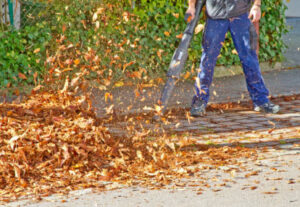
At Well Swept Indy, we love to educate our clients on the benefits of keeping your facilities well maintained. We reviewed the importance to sweep your parking lot after winter, let’s take the plunge in to why it is important to have a clean parking lot, free of leaves and other debris, BEFORE winter…
Clearing leaves from a parking lot before winter is essential to prevent expensive damage, minimize safety risks, and reduce the chance of flooding. If wet leaves are allowed to build up, they can create serious issues once temperatures begin to fall.
4 Key Benefits:
Structural Damage Prevention:
Freeze-Thaw Crack Prevention– In winter, rain, snow, and ice can seep into small cracks in asphalt. When wet leaves trap this moisture, it freezes and expands overnight, leading to cracks and potholes. As temperatures rise and the ice thaws, the cycle repeats, resulting in progressively worse and more costly damage.
Asphalt Protection– Decaying leaves release organic acids that can slowly break down asphalt and its protective sealcoat. Additionally, dirt and debris mixed with leaves act as abrasives, increasing surface wear from vehicle traffic.
Keep Pests Away– Damp leaf piles create the perfect environment for pests such as rodents, spiders, and insects. These pests can cause problems by nesting in or around the parking lot.
Enhance Safety while Reducing Liability:
Slip-and-Fall Risk– Wet leaves can be as slippery as black ice, especially when mixed with rain or melting snow. They create dangerous walking conditions and can conceal cracks, potholes, or uneven pavement that cause trips and falls. Frozen mats of leaves can conceal underlying ice, creating invisible slip hazards for pedestrians and reducing traction for vehicles. Property owners are legally responsible for maintaining safe premises, and failing to remove leaf buildup can increase the risk of liability. Frozen mats of leaves can conceal underlying ice, creating invisible slip hazards for pedestrians and reducing traction for vehicles.
Drainage Improvement– Layers of leaves can block storm drains and catch basins, which are vital for channeling water away from the parking lot. When these systems clog, it can lead to standing water and localized flooding—hazardous for both pedestrians and drivers.
Flood Prevention:
Clear the Drains- During rain or snowmelt, leaves and debris can be washed into storm drains, where they form blockages that prevent proper drainage. This can lead to serious flooding in both streets and parking areas.
Local waterway protection- Decomposing leaves release nutrients such as phosphorus and nitrogen, which can wash into storm systems and nearby water sources. This nutrient runoff contributes to harmful algal blooms that threaten wildlife and pose health risks to humans.
Maintain Curb Appeal:
For businesses, a clean, well-kept parking lot makes a strong first impression. Piles of leaves or debris can make the property look neglected and diminish its overall professionalism.